Look across the wallets
A scanner usually finds a creator or deployer address from the launch record. That address may hold only part of the group's tokens. A person can use several wallets, and on Solana one owner can have several token accounts. Find the owner before adding balances.
A creator can move tokens out of its original wallet and leave a small balance there. Follow the outgoing transactions and current recipients. A completed sale should show the token quantity and the asset received. A transfer with an unclear recipient leaves an ownership question to investigate.
What is a bundle?
A transaction bundle groups transactions for ordered execution through a submission service. Scanners may also call launch purchases “bundled” when they detect coordinated activity. Check the tool's definition: its percentage may describe tokens bought at launch or tokens those buyers still hold.
A dev or another group can fund several wallets and buy around launch. Each wallet may look small while the group holds a large amount. Unrelated bots and buyers can also arrive together. Timing, fresh wallets, equal balances, and common funding are leads to follow; stronger ownership evidence comes from the funding and transfer history.
Why is it risky?
A linked group may supply much of the early buying and later sell more than other buyers take in. A group may also hold an allocation intended for disclosed work or treasury use. Review its actual purchases, sales, remaining tokens, disclosures, and spending before judging its behavior.
Check the map and its gaps
A bubble map draws connections from the transfers it covers. Open the top ten ordinary holders, then investigate large or connected groups. Identify pool, burn, exchange, router, and system accounts so you can record their roles separately.
Coordinated owners may never transfer tokens between their wallets. Exchange custody, private agreements, and missing history can hide connections. A shared exchange withdrawal may serve unrelated customers. Keep confirmed ownership links and suspected links in separate lists.
Set up a concentration screen
Use 3% as an example personal limit, then choose and record your own. Add reliably linked, immediately available holdings before checking the limit. Passing it leaves permissions, unlocks, liquidity, and demand to investigate.
Calculate linked available units ÷ available holder supply × 100. Here, available holder supply means units ordinary holders can transfer now, excluding identified pool reserves, burned units, and locked units. The denominator is simply the supply total you divide by. Write it beside the percentage.
If you cannot establish that total, record known units and the provider's percentage with its definition. Leave your available-supply percentage unresolved.
How to investigate it
- Copy the full token address and chain into the explorer and supported map tool. Save time and coverage.
- Confirm the creator in the launch transaction. Open Holders and find the owner of each relevant token account.
- Check the top ten ordinary holders: first funding, allocations or purchases, transfers, and current balances.
- Open transaction signatures and save quantities, direction, assets received, and evidence of ownership links. Follow outgoing tokens to their current recipients.
- Add confirmed group balances once. Keep uncertain owners and custody accounts separately. Refresh after trades and transfers.
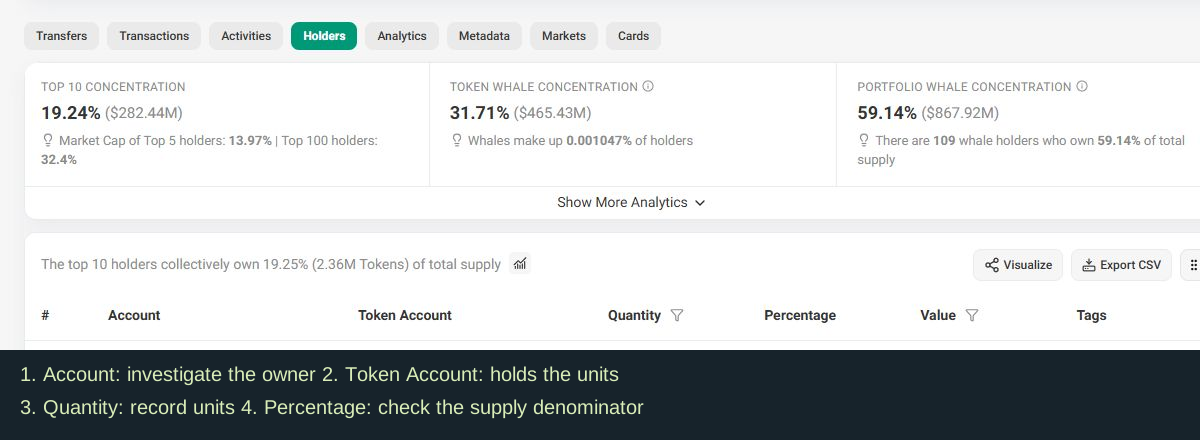
In Holders, use Account to investigate the owner and Token Account for the units held. Save Quantity and the Percentage definition. Custody and pool rows need their own roles.
Captured 5 October 2026 on the public Wrapped SOL page. This is a navigation example. Wrapped SOL has special token mechanics; its numbers and authority labels are not the SAMPLE case or a standard meme-token assessment. Open your own token address to do the checks.
Practical case — illustrative
At 09:00 UTC on Day 1, five linked SAMPLE wallets hold 2m units each. Together they hold 10m of the 100m available holder units: 10%, exceeding the example 3% limit.
At 09:10 UTC, records show creator wallet A sent allocations to those five wallets. A still holds 2m, so the confirmed creator group holds 12m, or 12% of available holder units. That is 8% of the 150m total issued units; write which total you use. One group wallet then moves 2m to B, which the records establish is controlled by the group. The group still holds 12m; update its address list.
Keep this record
Save owner addresses, account roles, current units, the supply total used, funding and transaction links, ownership confidence, and check time. Record hidden ownership risks, uncertain recipients, and missing purchase history.
Add these findings to your review worksheet →
Check your understanding — answered
Each wallet is below 3%. Can I pass the screen? Add reliably linked wallets before deciding.
They bought in the same block or used the same exchange. Can I combine them? Save those leads and seek stronger ownership evidence.
The creator balance fell. What happened? Follow outgoing transactions and received assets. Check the group's remaining holdings.
The map has no links, or tokens arrived without payment. What next? Check funding, map coverage, earlier history, and allocation terms. Leave ownership or purchase cost unknown where the records are incomplete.
Mechanism references
SAMPLE is made up for this course. Date each finding. For a real token, use current transaction records and platform rules. Inspect shows sampled trades; use external records to check ownership and permissions.